Active Cornering Enhancement: Complete Guide to ACE System, Benefits & How It Works
Driving technology has changed dramatically over the past two decades. Modern vehicles are no longer built with only powerful engines and strong brakes. Today, manufacturers also focus on making vehicles safer, more stable, and easier to control in every driving condition.
One of the technologies that has helped achieve these goals is active cornering enhancement. This intelligent suspension system improves vehicle handling by reducing body roll while turning. Whether a driver is taking a sharp highway exit, driving through mountain roads, or making sudden steering adjustments to avoid obstacles, active cornering enhancement helps keep the vehicle balanced and predictable.
Although many drivers have heard of systems like Electronic Stability Control (ESC), Anti-lock Braking System (ABS), and Traction Control (TCS), fewer understand how active cornering enhancement works or why it plays such an important role in driving safety.
This complete guide explains everything you need to know about active cornering enhancement, including how it works, its components, benefits, maintenance, common problems, repair costs, and how it compares with other suspension technologies.
If you want to understand why premium SUVs and luxury vehicles use this advanced system, this guide provides the complete picture.
What Is Active Cornering Enhancement?
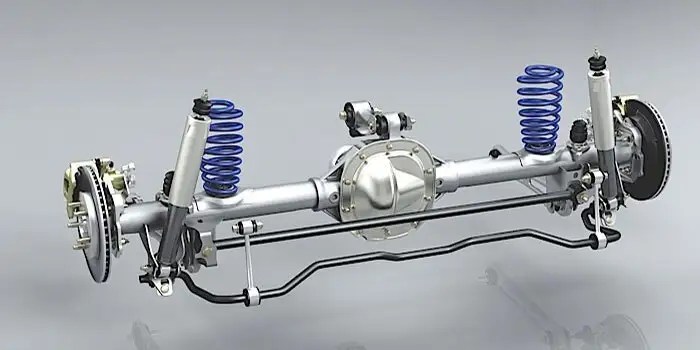
Active cornering enhancement (ACE) is an advanced suspension technology designed to reduce body roll while a vehicle turns. Instead of allowing the vehicle body to lean heavily toward the outside of a corner, the system actively controls the stabilizer bars using hydraulic or electronic actuators.
The goal is simple:
- Improve vehicle stability
- Increase passenger comfort
- Maintain better tire contact with the road
- Improve steering response
- Increase driver confidence
Unlike traditional sway bars, which always provide the same level of resistance, active cornering enhancement constantly changes its operation based on real-time driving conditions.
The system can respond within fractions of a second, adjusting suspension forces as road conditions and steering inputs change.
Why Was Active Cornering Enhancement Developed?
Large SUVs, pickup trucks, and off-road vehicles naturally have a higher center of gravity than sedans.
This creates several challenges:
- More body roll
- Reduced cornering confidence
- Less predictable steering
- Increased weight transfer
- Reduced passenger comfort
Vehicle manufacturers wanted a way to improve handling without making the suspension uncomfortably stiff.
Active cornering enhancement solved this problem by allowing the suspension to remain comfortable during normal driving while automatically becoming firmer during aggressive cornering.
This gives drivers the best combination of comfort and performance.
How Active Cornering Enhancement Works
Understanding active cornering enhancement becomes much easier when the process is broken into simple steps.
Step 1: Sensors Monitor the Vehicle
Multiple sensors constantly collect information such as:
- Steering angle
- Vehicle speed
- Lateral acceleration
- Suspension movement
- Wheel position
- Yaw rate
These sensors provide hundreds of updates every second.
Step 2: Computer Processes the Data
The vehicle’s electronic control module analyzes the information instantly.
Also Read:Zuhio Keyword Count Checker: Complete Guide to Better SEO Content
It determines:
- Whether the vehicle is entering a turn
- How sharp the turn is
- How quickly the driver is steering
- How much body roll is expected
Step 3: Hydraulic or Electric Actuators Respond
Instead of waiting for the body to lean, the actuators immediately apply force to the anti-roll bars.
This force pushes against body roll.
Step 4: Vehicle Remains More Stable
The result is:
- Less leaning
- Better steering precision
- Improved tire grip
- Greater stability
- Better passenger comfort
Everything happens automatically without any action from the driver.
Main Components of an Active Cornering Enhancement System
Several parts work together to make active cornering enhancement effective.
Electronic Control Module
The control module is the brain of the system.
It receives information from every sensor and determines exactly how much force should be applied.
Hydraulic Pump
Many ACE systems use a hydraulic pump to generate pressure.
This pressure powers the actuators that move the stabilizer bars.
Hydraulic Fluid
Special hydraulic fluid transfers pressure throughout the system.
Clean fluid is essential for reliable operation.
Hydraulic Valve Block
This component directs hydraulic pressure to different parts of the suspension system.
Active Stabilizer Bars
Unlike standard sway bars, these bars can actively change resistance during driving.
Pressure Sensors
Pressure sensors monitor hydraulic performance and ensure the correct amount of force is delivered.
Steering Sensors
These measure steering wheel movement and help predict upcoming turns.
Wheel Speed Sensors
Wheel speed sensors help determine how the vehicle is moving and provide information to multiple safety systems.
Types of Active Cornering Enhancement Systems
Not every manufacturer uses the same design.
Hydraulic Active Cornering Enhancement
This is the traditional design used by many premium SUVs.
Advantages include:
- High force output
- Excellent off-road capability
- Proven reliability
- Smooth operation
Electronic Active Cornering Enhancement
Newer vehicles increasingly use electric motors instead of hydraulic systems.
Benefits include:
- Lower maintenance
- Improved efficiency
- Faster response
- Reduced weight
Semi-Active Systems
These systems combine electronically controlled dampers with adaptive stabilizer bars.
They provide a balance between performance, comfort, and cost.
Benefits of Active Cornering Enhancement
Drivers often notice improvements immediately after driving a vehicle equipped with active cornering enhancement.
Better Cornering Stability
The biggest advantage is reduced body roll.
The vehicle stays flatter while turning, making handling feel more predictable.
Improved Steering Precision
Because the body remains more stable, steering feels more responsive and accurate.
Drivers can place the vehicle more precisely through corners.
Better Tire Grip
Keeping the tires firmly planted on the road improves traction.
This increases overall vehicle control.
Greater Passenger Comfort
Passengers feel less side-to-side movement.
Long trips become more comfortable, especially on winding roads.
Improved Safety
Less body roll helps drivers maintain control during emergency maneuvers.
This can reduce the risk of losing stability.
Better Highway Performance
Crosswinds and quick lane changes feel more controlled.
The vehicle tracks straighter at highway speeds.
Active Cornering Enhancement vs Traditional Sway Bars
Traditional sway bars are simple mechanical components.
They always provide the same resistance.
Active cornering enhancement constantly adjusts resistance depending on driving conditions.
Traditional sway bars:
- Fixed stiffness
- Lower cost
- Minimal maintenance
- Limited adaptability
Active cornering enhancement:
- Variable stiffness
- Improved comfort
- Better handling
- Higher complexity
- Advanced electronics
Active Cornering Enhancement vs Adaptive Suspension
These technologies are often confused.
Adaptive suspension changes shock absorber stiffness.
Active cornering enhancement changes anti-roll bar resistance.
Some premium vehicles use both systems together for maximum performance.
Vehicles That Commonly Use Active Cornering Enhancement
The technology is typically found on:
Also Read:Incfidelibus: Meaning, Origins, Common Uses, and Why This Latin Term Still Matters Today
- Luxury SUVs
- Premium off-road vehicles
- Performance SUVs
- Executive sedans
- High-end crossover vehicles
Manufacturers use different names for similar technologies, but the overall goal remains the same.
How Active Cornering Enhancement Improves Safety
Safety improvements occur in several ways.
Reduced Body Roll
A flatter vehicle is easier to control.
Better Tire Contact
More consistent tire contact increases grip.
Improved Emergency Handling
Drivers can make sudden steering corrections more confidently.
Reduced Driver Fatigue
Stable handling requires fewer steering corrections during long drives.
Driving Situations Where Active Cornering Enhancement Helps Most
The system becomes especially valuable in:
- Sharp highway exits
- Mountain roads
- Emergency lane changes
- Heavy rain
- Strong crosswinds
- Curvy rural roads
- Off-road trails
- High-speed interstate driving
Common Signs of Active Cornering Enhancement Problems
Like any advanced vehicle system, active cornering enhancement can develop issues over time.
Watch for symptoms such as:
- Warning lights
- Excessive body roll
- Hydraulic fluid leaks
- Suspension noises
- Reduced steering stability
- Vehicle leaning during turns
- Error messages
- Uneven handling
Ignoring these symptoms may lead to larger repair bills later.
Causes of Active Cornering Enhancement Failure
Several issues can affect system performance.
Hydraulic Leaks
Damaged hoses or seals can reduce system pressure.
Worn Actuators
Hydraulic actuators eventually wear after years of use.
Sensor Failure
Incorrect sensor readings prevent accurate system operation.
Electrical Problems
Damaged wiring or connectors may interrupt communication.
Low Hydraulic Fluid
Insufficient fluid reduces available pressure.
Pump Failure
A failing hydraulic pump cannot generate enough pressure.
Diagnosing Active Cornering Enhancement Issues
Professional technicians typically inspect:
- Hydraulic pressure
- Diagnostic trouble codes
- Sensor operation
- Fluid condition
- Actuator performance
- Electrical connections
- Suspension components
Modern scan tools greatly simplify diagnosis.
Maintenance Tips
Proper maintenance extends system life.
Recommended practices include:
- Inspect hydraulic hoses regularly.
- Check for leaks.
- Replace hydraulic fluid when recommended.
- Repair suspension damage promptly.
- Avoid ignoring warning lights.
- Schedule regular inspections.
- Use manufacturer-approved fluids.
Preventive maintenance often costs far less than major repairs.
Can You Drive With an Active Cornering Enhancement Warning Light?
In many cases, yes.
However, the vehicle may:
- Lean more in turns
- Feel less stable
- Lose some handling performance
If the warning light appears, drive carefully and schedule service as soon as possible.
If multiple suspension or stability warnings appear together, avoid aggressive driving until the vehicle is inspected.
Repair Costs
Repair costs depend on the failed component.
Common repairs may include:
- Sensor replacement
- Hydraulic hose replacement
- Fluid service
- Pump replacement
- Actuator replacement
- Control module replacement
Minor repairs are generally affordable, while hydraulic pumps or electronic modules can become expensive.
Routine maintenance helps reduce the likelihood of major repairs.
Does Active Cornering Enhancement Improve Off-Road Performance?
Yes, in many vehicles.
Some systems can reduce stabilizer bar stiffness while off-road.
Benefits include:
- Greater wheel articulation
- Better traction
- Improved obstacle climbing
- Enhanced ride comfort
Once the vehicle returns to normal roads, the system restores full cornering stability.
Does Active Cornering Enhancement Affect Fuel Economy?
The effect is usually very small.
Hydraulic systems consume a small amount of engine power.
Electric systems are generally more energy efficient.
Any slight increase in energy use is often outweighed by improved safety, handling, and driver confidence.
Is Active Cornering Enhancement Worth Having?
For drivers who frequently operate SUVs, crossovers, or larger vehicles, active cornering enhancement provides noticeable advantages.
The system is especially valuable for:
- Families
- Long-distance travelers
- Drivers in mountainous areas
- People who tow trailers
- Drivers who regularly use highways
- Off-road enthusiasts
The added stability often makes larger vehicles feel much easier to drive.
Future of Active Cornering Enhancement
Vehicle technology continues to evolve rapidly.
Also Read:Rainierland: The Complete Guide to the Popular Free Streaming Platform
Future systems are expected to include:
- Artificial intelligence for predictive suspension control
- Integration with autonomous driving systems
- Faster electric actuators
- Reduced system weight
- Improved energy efficiency
- Cloud-based diagnostics
- Over-the-air software updates
As electric vehicles become more common, electronically controlled suspension systems will likely replace many hydraulic designs.
Expert Insights
Many drivers think horsepower is the biggest factor in vehicle performance. In reality, confidence behind the wheel often comes from stability rather than speed.
Active cornering enhancement is a good example of this idea. It does not make a vehicle accelerate faster or increase engine output. Instead, it helps the driver use the vehicle’s capabilities more effectively by keeping the chassis balanced through corners.
From a practical standpoint, the greatest value of active cornering enhancement is consistency. The system works quietly in the background, making everyday driving feel smoother while also providing extra support during unexpected situations. This combination of comfort and control explains why advanced suspension technology has become increasingly common in premium vehicles.
Another important trend is the shift from hydraulic systems to electric systems. Electric designs reduce maintenance requirements, improve efficiency, and integrate more easily with modern driver-assistance features. Over the next several years, this transition is expected to continue across many vehicle segments.
Conclusion
Active cornering enhancement is one of the most important suspension technologies developed for modern vehicles. By actively reducing body roll, improving steering response, and helping maintain tire contact with the road, it enhances both safety and driving comfort.
Unlike traditional suspension components that operate the same way at all times, active cornering enhancement continuously adjusts to changing road conditions and driver inputs. The result is a vehicle that feels more stable during sharp turns, emergency maneuvers, highway driving, and even certain off-road situations.
While the system is more advanced than conventional sway bars and may require specialized maintenance, its benefits are significant for drivers who value confident handling, passenger comfort, and overall vehicle control. As automotive technology continues to advance, active cornering enhancement is expected to become even more intelligent, efficient, and widely available.
For anyone considering a vehicle equipped with this technology or simply wanting to understand how modern suspension systems work, active cornering enhancement represents a major step forward in automotive engineering.
Frequently Asked Questions
What vehicles are most likely to have active cornering enhancement?
It is most commonly found on premium SUVs, luxury sedans, performance crossovers, and some advanced off-road vehicles where improved stability is especially important.
Is active cornering enhancement the same as electronic stability control?
No. Electronic Stability Control helps prevent skidding by selectively applying the brakes and adjusting engine power. Active cornering enhancement focuses on reducing body roll through the suspension system.
Does active cornering enhancement work at low speeds?
Yes. Although its effects are more noticeable at moderate and high speeds, the system can also improve stability during slower turns, parking maneuvers, and city driving.
Can active cornering enhancement improve towing performance?
Yes. By reducing body roll and improving vehicle balance, the system can make towing feel more stable, especially during lane changes and highway curves. However, it does not increase the vehicle’s towing capacity.
How long does an active cornering enhancement system usually last?
With proper maintenance, many components can last well over 100,000 miles. The lifespan depends on driving conditions, maintenance habits, and whether the system is hydraulic or electric.
Can active cornering enhancement be added to a vehicle that did not originally have it?
In most cases, no. Because the system requires specialized suspension parts, sensors, hydraulic or electric actuators, and electronic controls, retrofitting is usually impractical and very expensive.
Will active cornering enhancement reduce tire wear?
It may help promote more even tire contact during cornering, but tire life still depends on alignment, tire pressure, driving habits, and regular maintenance.
Does active cornering enhancement require special maintenance?
Most vehicles only require periodic inspections and, for hydraulic systems, occasional fluid checks or replacements according to the manufacturer’s maintenance schedule.